

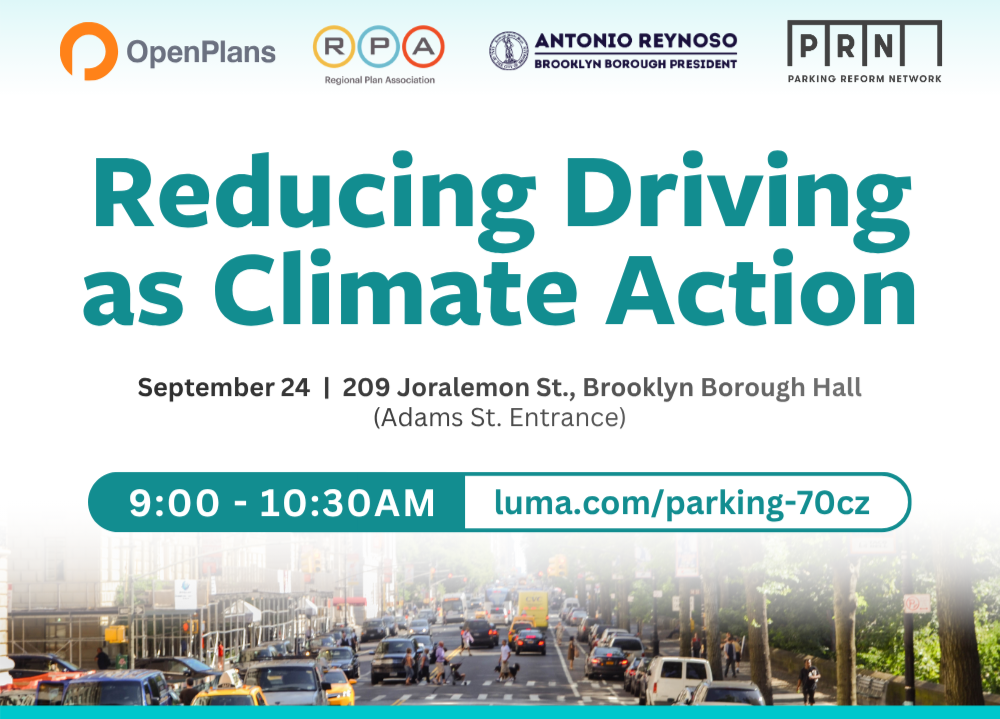
Join Open Plans at Climate Week NYC!
This Climate Week, join Open Plans for a critical conversation: why isn't reducing driving a key component of climate action? Our panel "Reducing Driving as Climate Action" brings together the Mayor's Office of Climate and Environmental Justice, State Senator Andrew Gounardes, and local advocates to discuss how tackling our city's reliance on cars is essential for reaching sustainability goals and building a greener future.
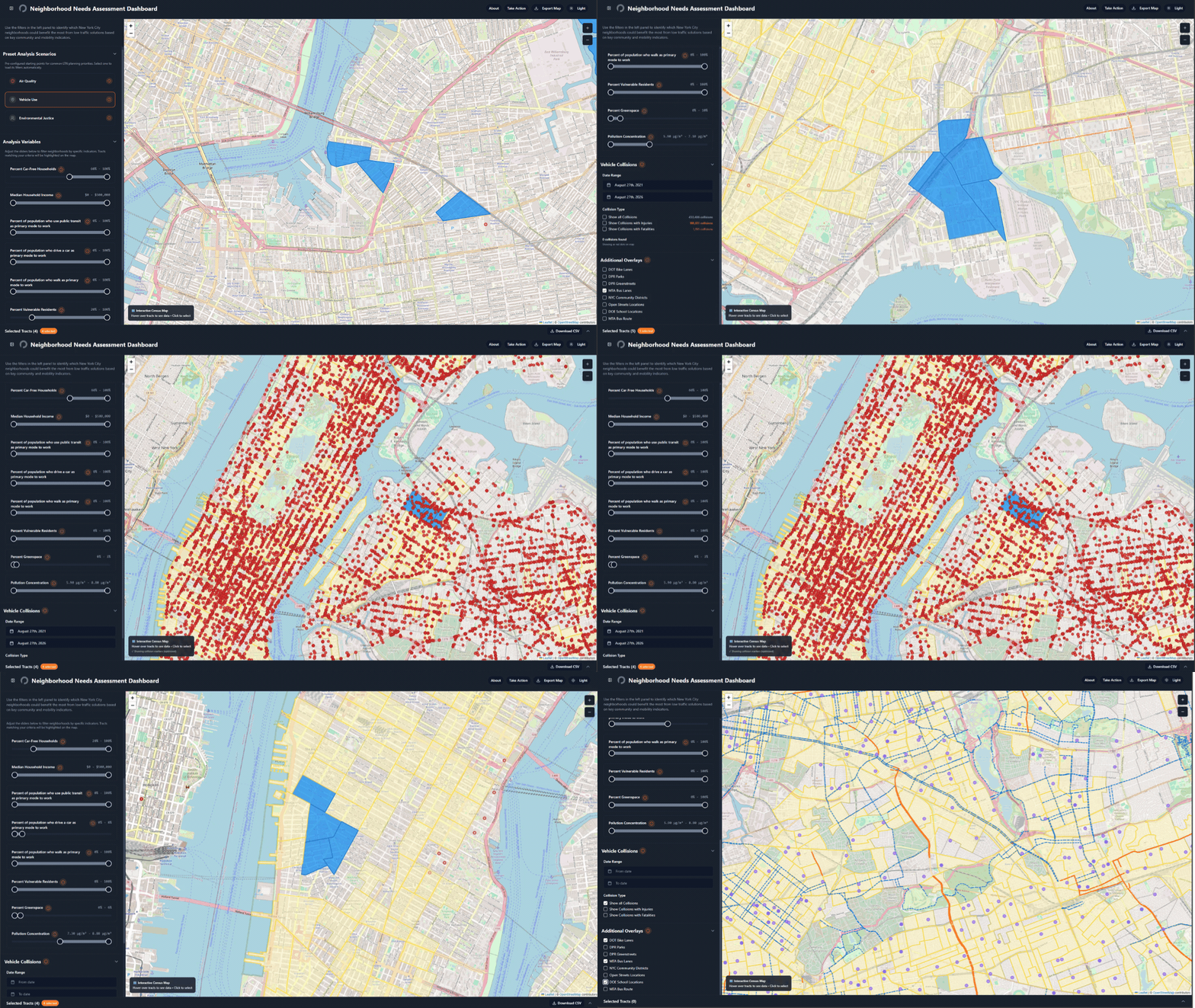
Introducing the Neighborhood Needs Assessment Dashboard
We just launched our new Neighborhood Needs Assessment Dashboard—a powerful tool that could help identify which communities need Low Traffic Neighborhoods most and more. Using data on car-free households, air pollution, crashes, and more, you can analyze your neighborhood census tract by tract.
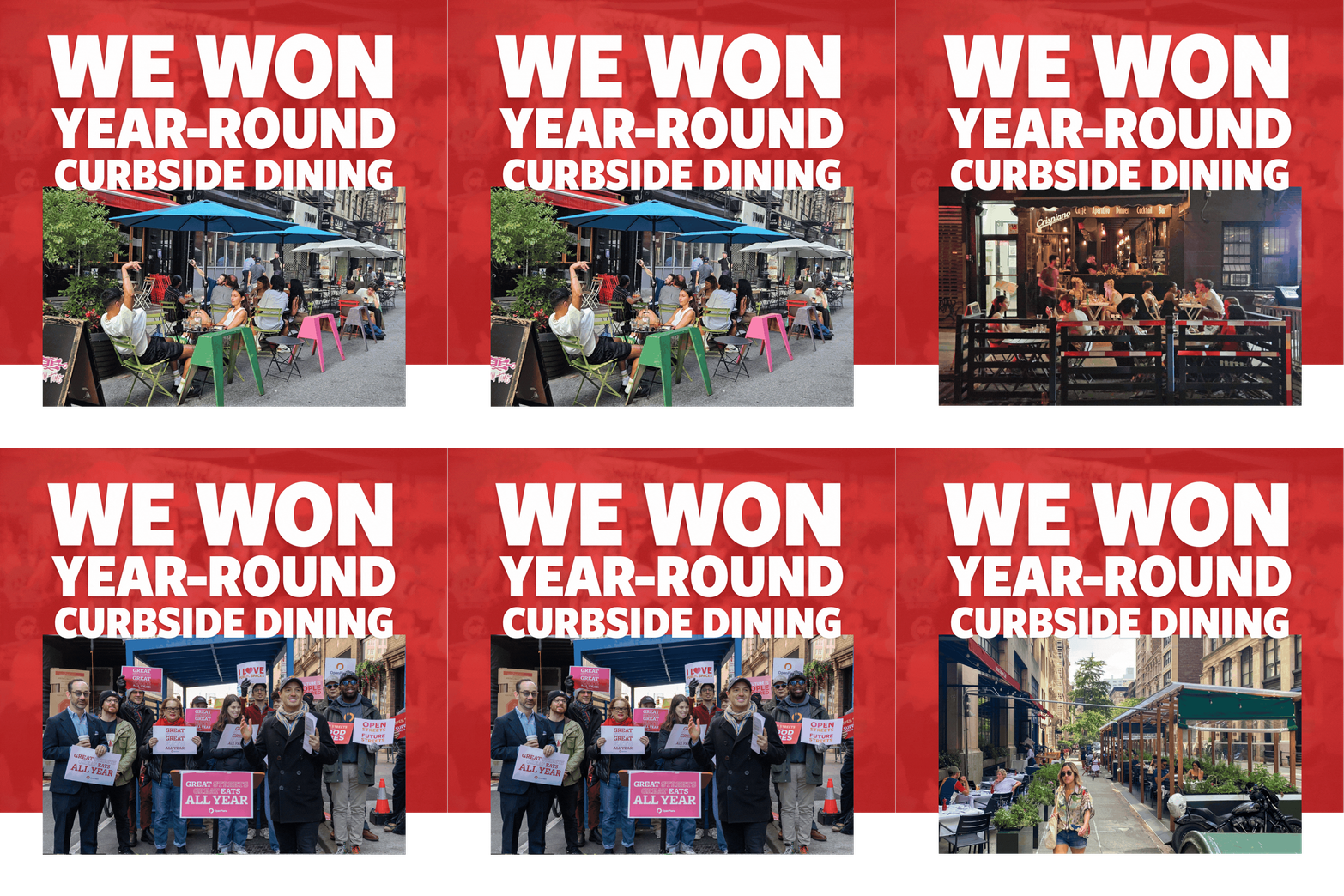
Celebrate victory on curbside dining with us!
New York City has restored year-round curbside outdoor dining! After years of advocacy, organizing, and coalition-building, this victory restores what always made sense: businesses can use their curbs year-round. This is more than a restaurant policy—it's a statement that our streets are for people, community, and local economies,
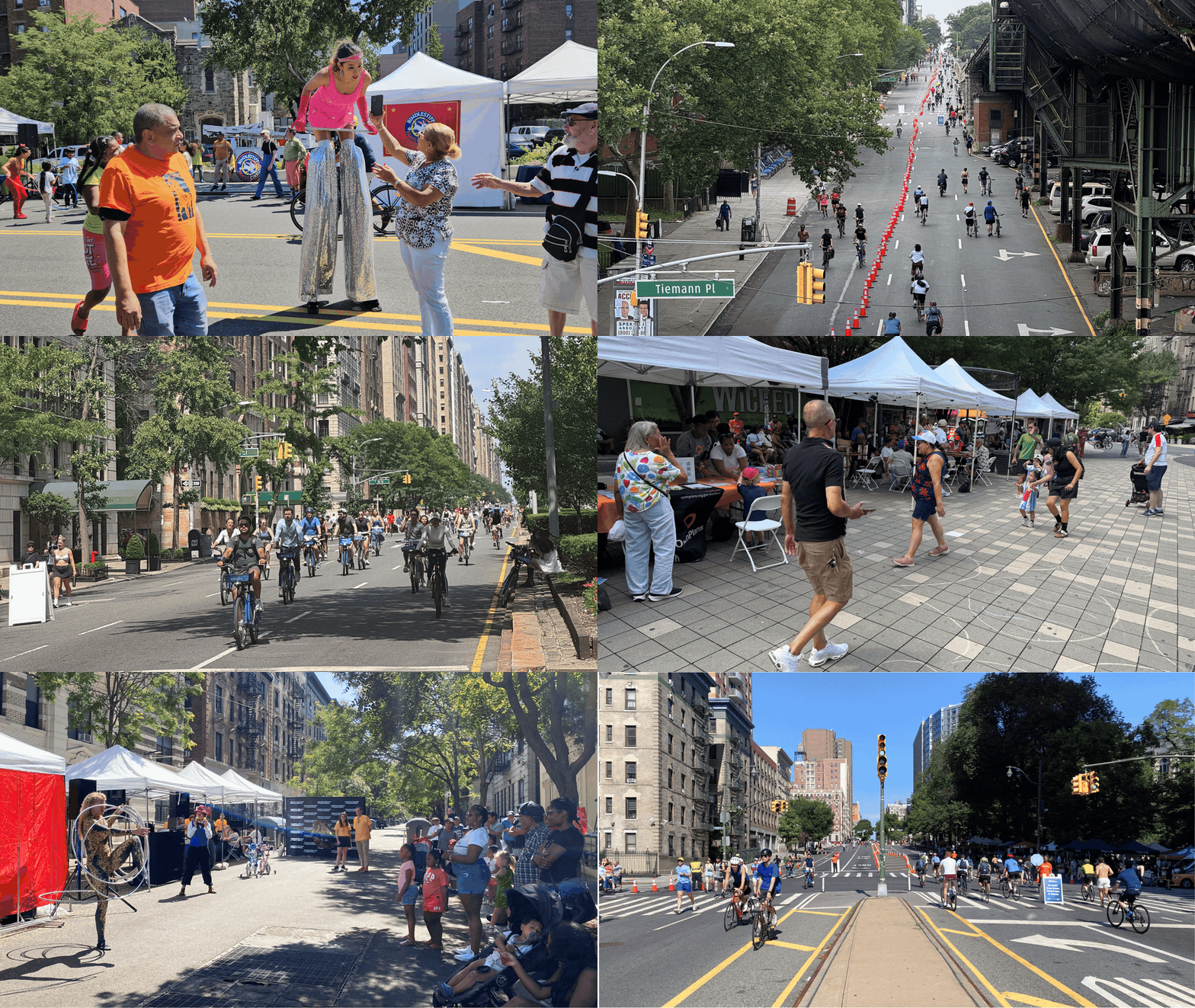
Summer Summer! Let's get outside! 🌞🏄🏽⛱️🍦
Summer Streets remains one of NYC's most popular and fun ways to experience car-free streets, but New Yorkers want it to evolve. Our survey reveals people are asking for longer hours, more weekend dates, longer routes, and interconnected streets across all five boroughs. Tell Mayor Mamdani and NYCDOT to go further—make Summer Streets bigger, better, and more accessible for everyone.
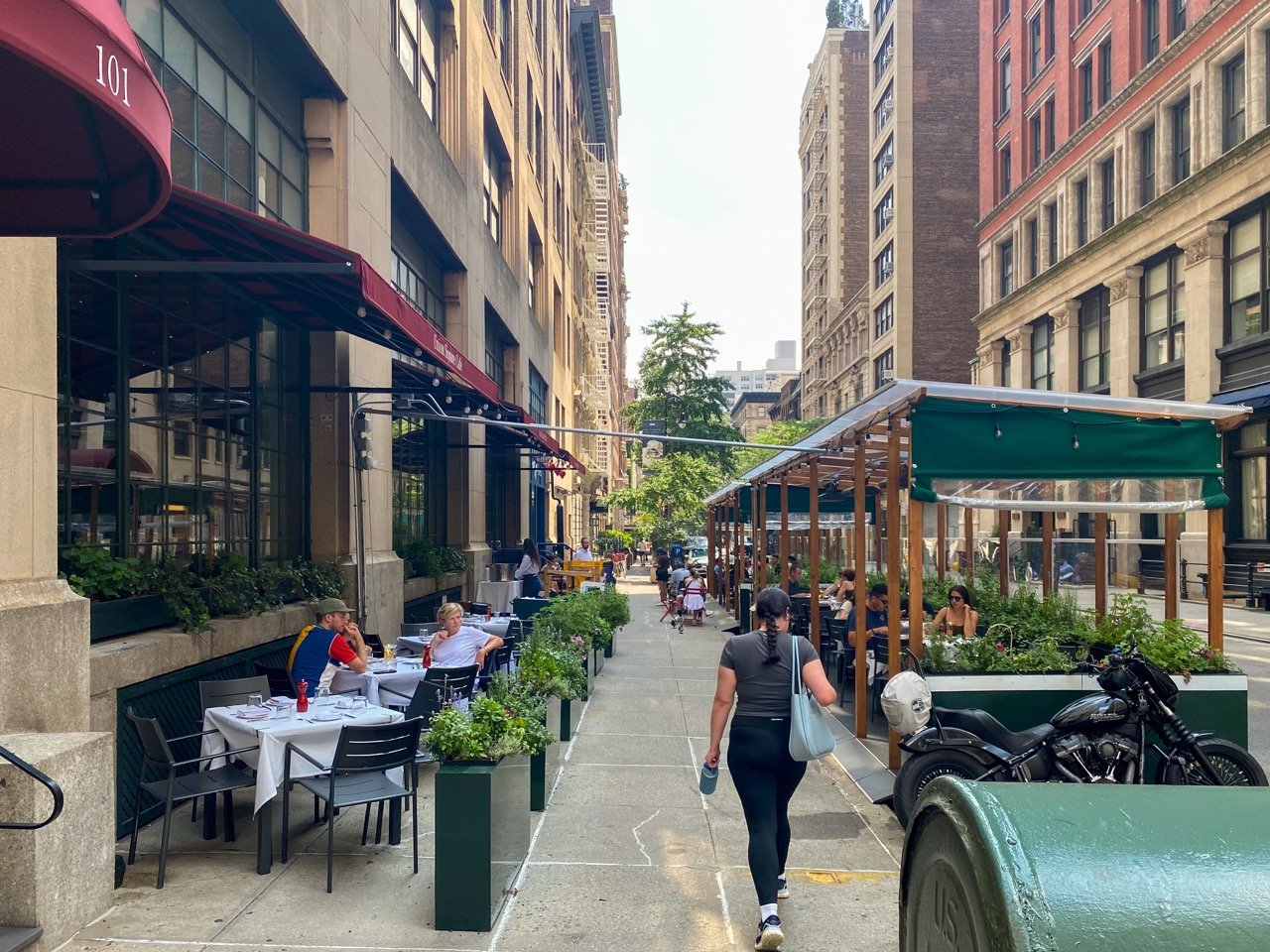
The Data Shows Curbside Dining is Less Equitable Now
Our analysis of curbside dining data reveals a troubling trend: the program has become less equitable over the past year. Just 1% of Dining Out NYC locations are in working class neighborhoods, while 94% are concentrated in Manhattan and Brooklyn. High seasonal setup costs and fees are barriers for outer borough restaurants. We can fix this with year-round dining and more equitable fee structures.
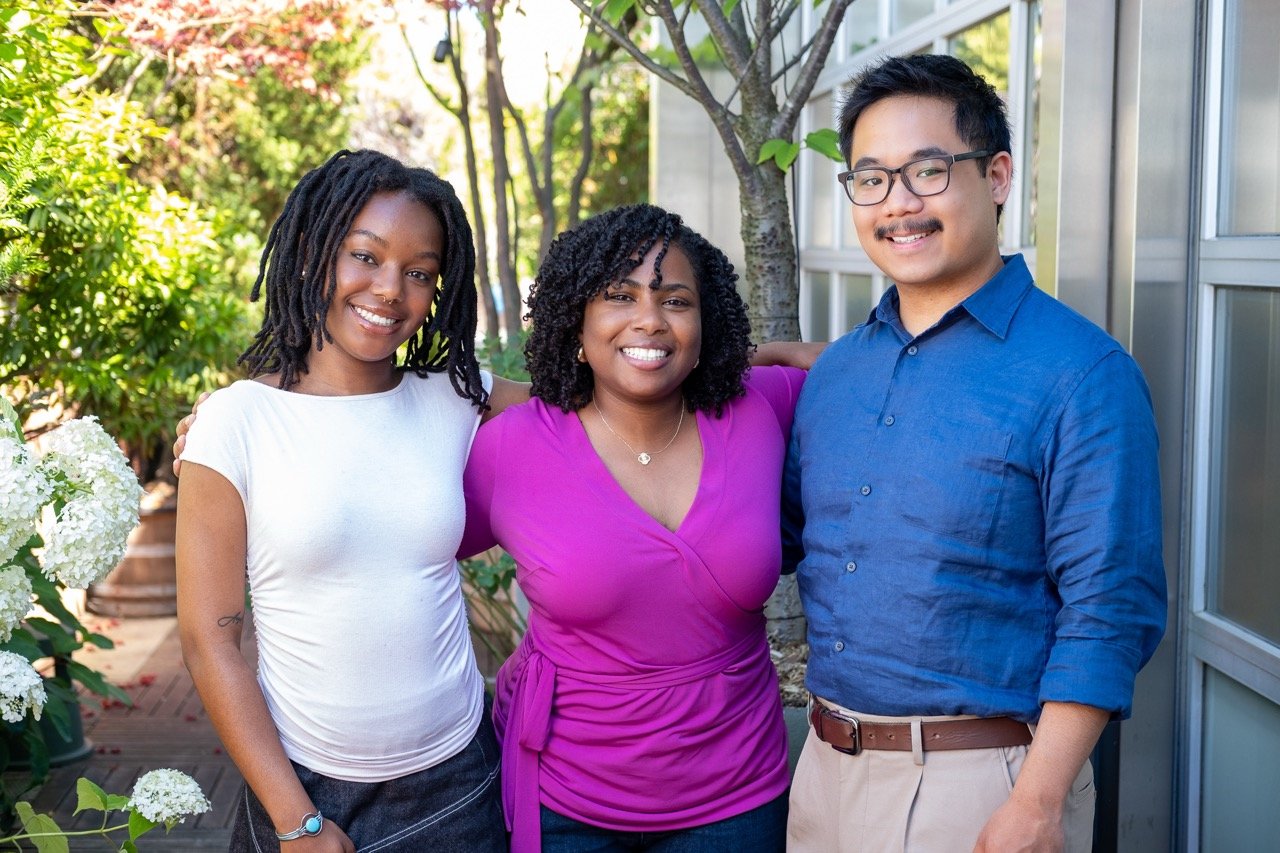
Meet Open Plans’ 2026 summer interns!
Meet Open Plans' 2026 summer interns—Cree, Liam, and Abigail. These three graduate students from NYU and Hunter College are joining us to work on everything from School Streets to Low Traffic Neighborhoods. They bike, ferry, and bus around the city with passion for making NYC streets safer and more joyful. Get to know the talented folks bringing fresh energy to our campaigns this summer.
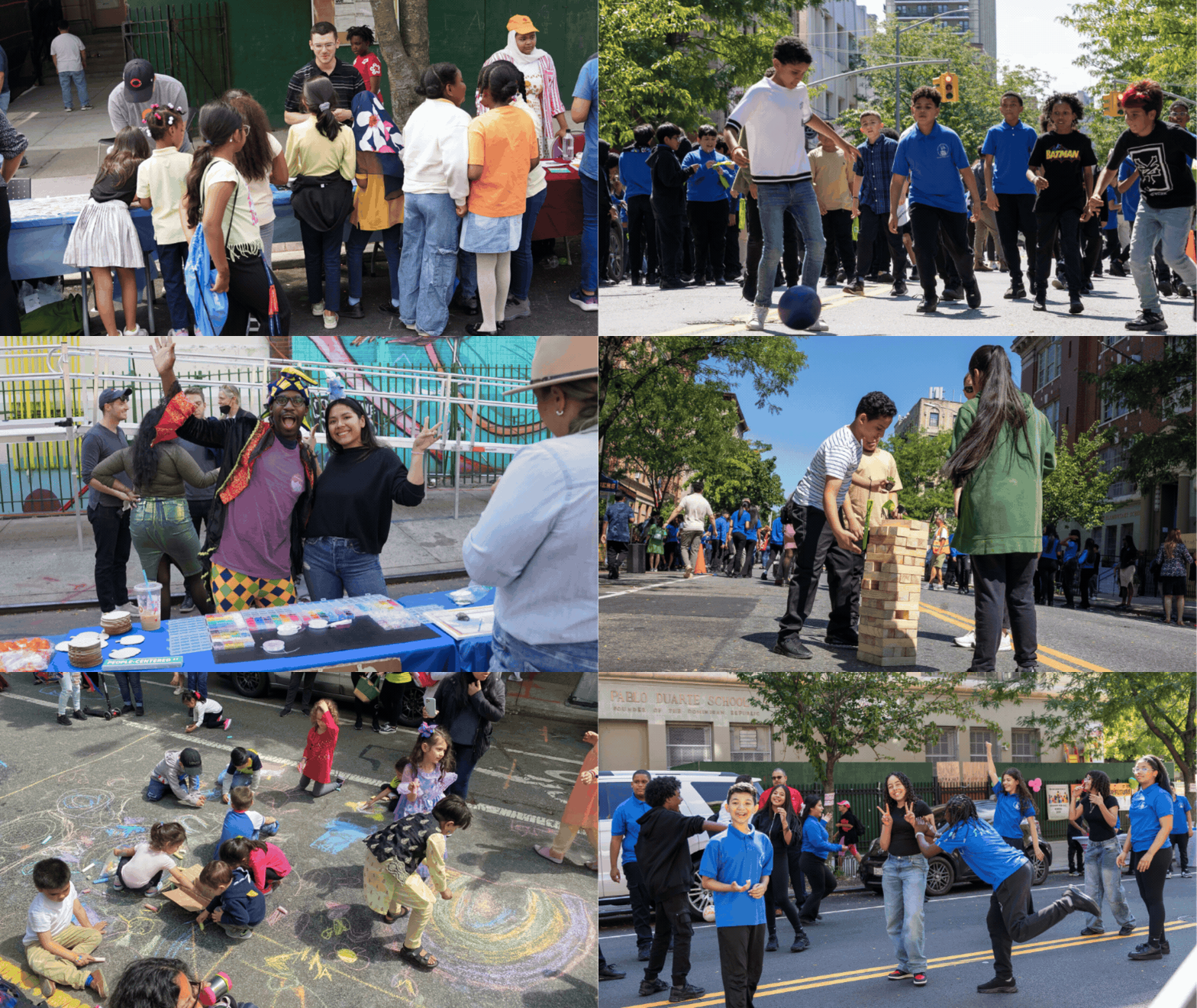
60+ organizations are calling on the mayor to put $20M where his promises are
This week, 60+ school administrators, PTAs, and community groups from all five boroughs signed a letter calling on Mayor Mamdani to allocate $20 million to the School Streets program. Streets outside schools experience 57% more crashes and 25% more injuries than other city streets, yet only 71 schools currently participate despite thousands in NYC. The community is holding the mayor to his campaign promise of school streets citywide.
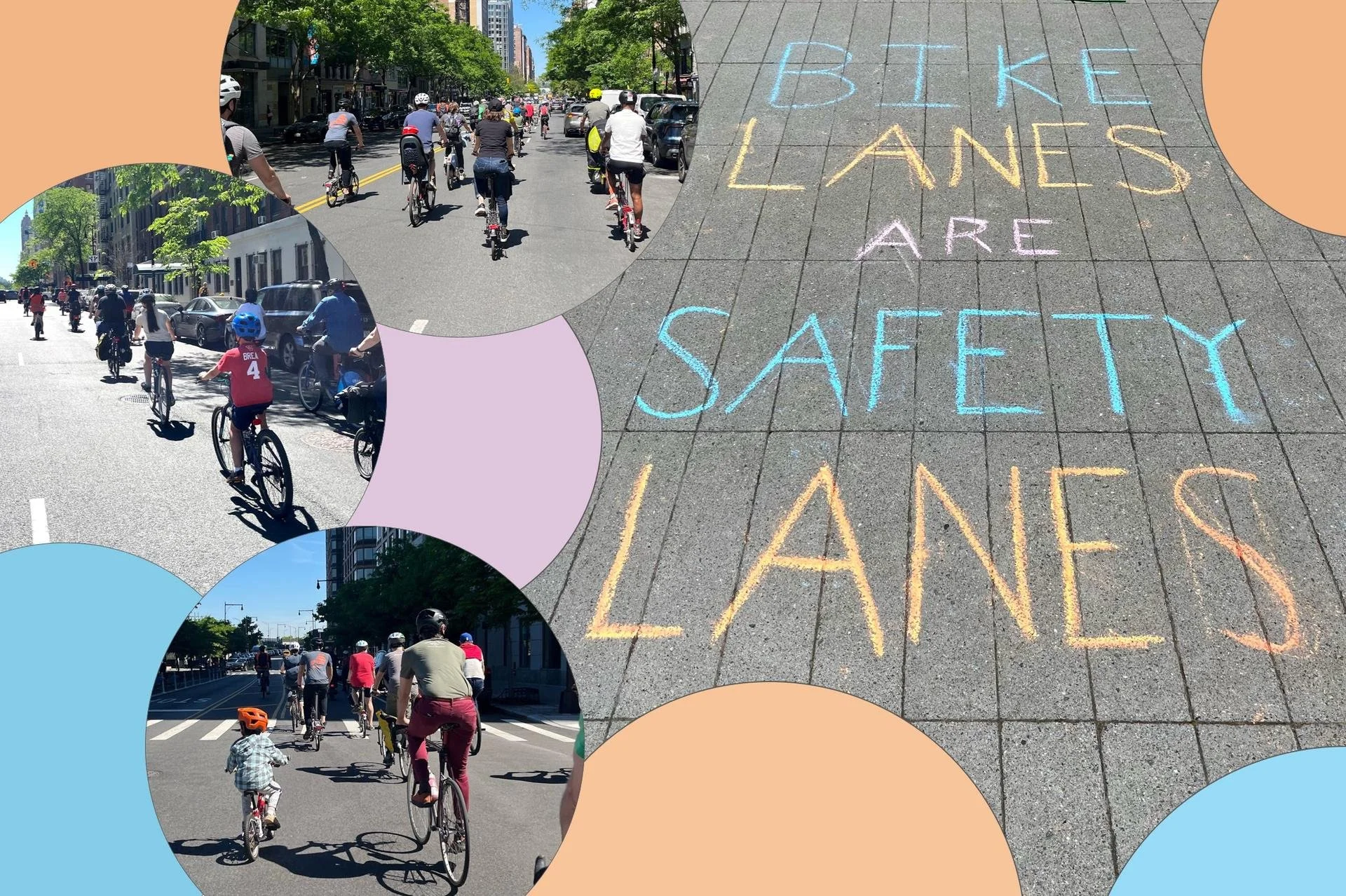
Safety is non-negotiable & the 72nd St redesign shouldn't be either!
Community Board 7 votes tonight (Tuesday, June 2 at 6:30 PM) on a resolution supporting West 72nd Street safety improvements, including a protected bike lane. Safety is non-negotiable for everyone—whether you walk, bike, or drive. Attend in person, sign up to speak in 60 seconds, and wear green to show board members there's broad community support for these essential changes.
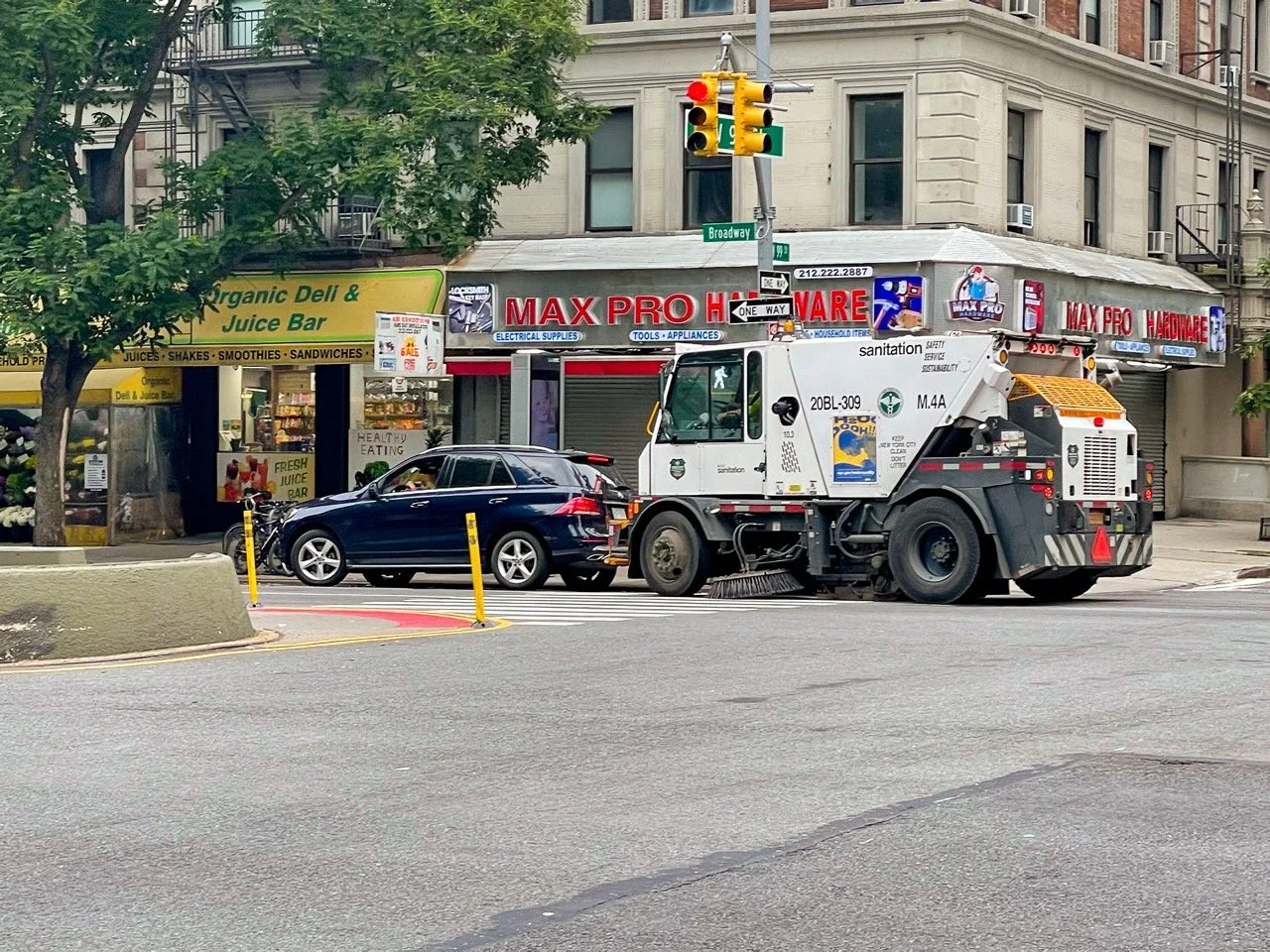
Turns out dirty streets and parking scofflaws have the same fix
Street sweepers could soon do double duty in NYC — cleaning streets and ticketing illegally parked cars. The City Council just passed a Home Rule resolution asking Albany to make it happen. Programs like this have slashed parking violations by 66% elsewhere. If Albany acts, cleaner, better-enforced streets could be coming to every neighborhood.
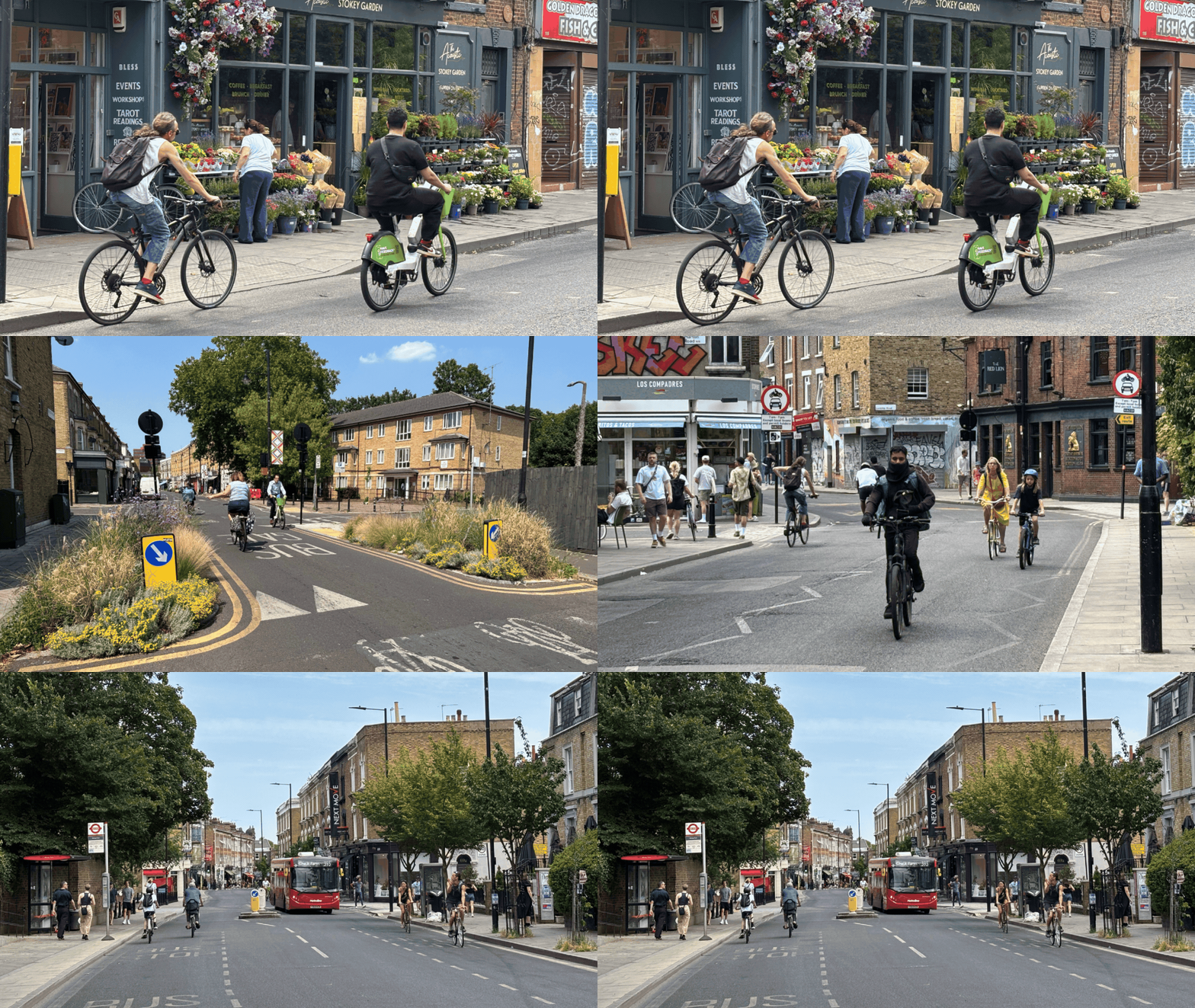
Every month should be bike month 🚲
May is Bike Month, and as more New Yorkers take to the streets on bicycles, our work on Low Traffic Neighborhoods feels especially urgent. LTNs reduce cut-through traffic and prioritize local access, creating calm streets where it's easier to walk and bike without needing protected infrastructure. The data shows streets inside LTNs see an average 46.9% traffic reduction, with cycling increases up to 51%. Tell your city officials it's time to bring LTNs to NYC.
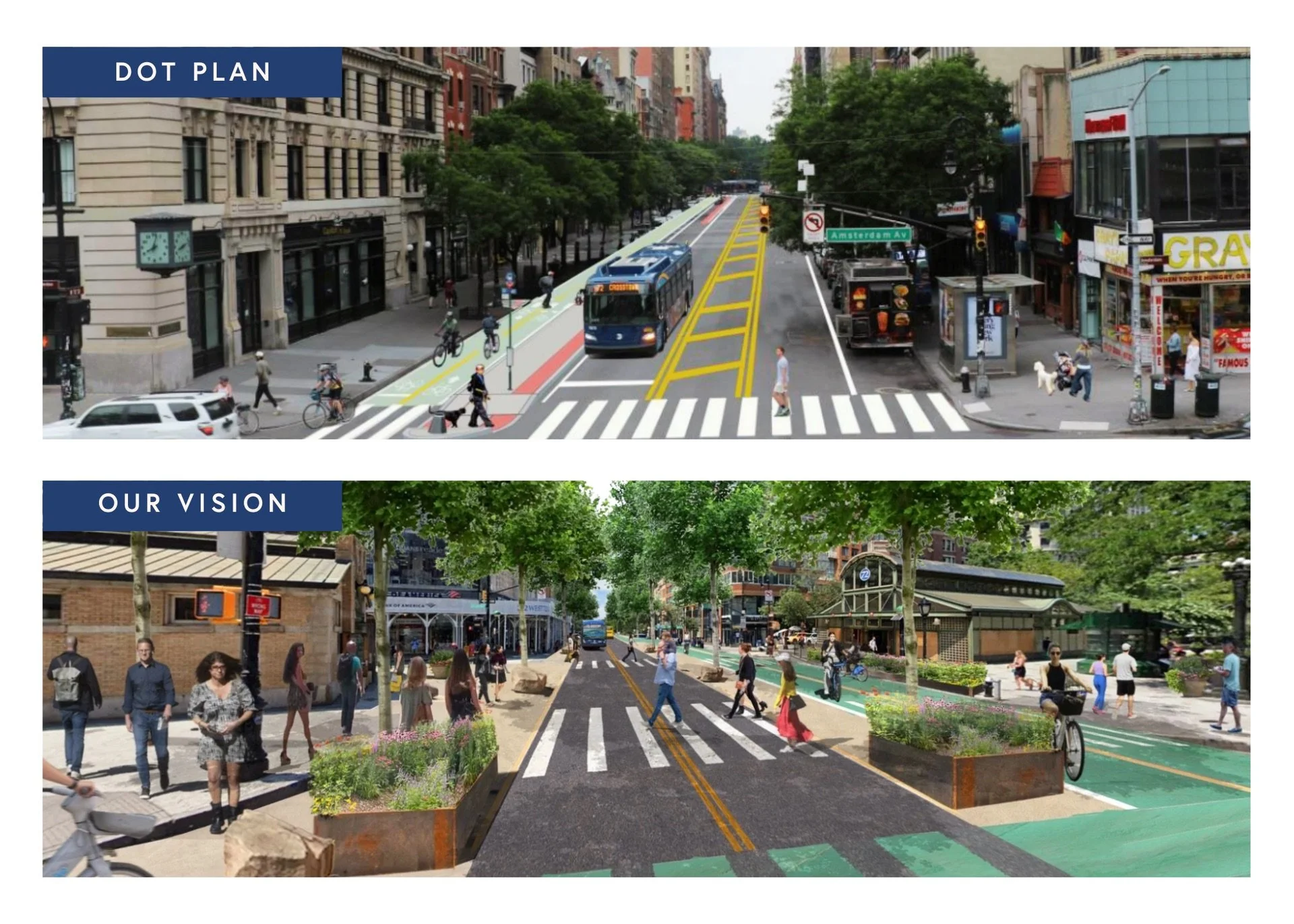
A people-first redesign is finally coming to West 72nd Street!
After years of advocacy, change is finally coming to West 72nd Street. NYC DOT announced improvements for the four blocks from Central Park West to Riverside Drive, including a two-way protected bike lane, pedestrian safety upgrades, bus improvements, and better curb management. The design has the bones of our complete street vision and will benefit everyone who uses the street.
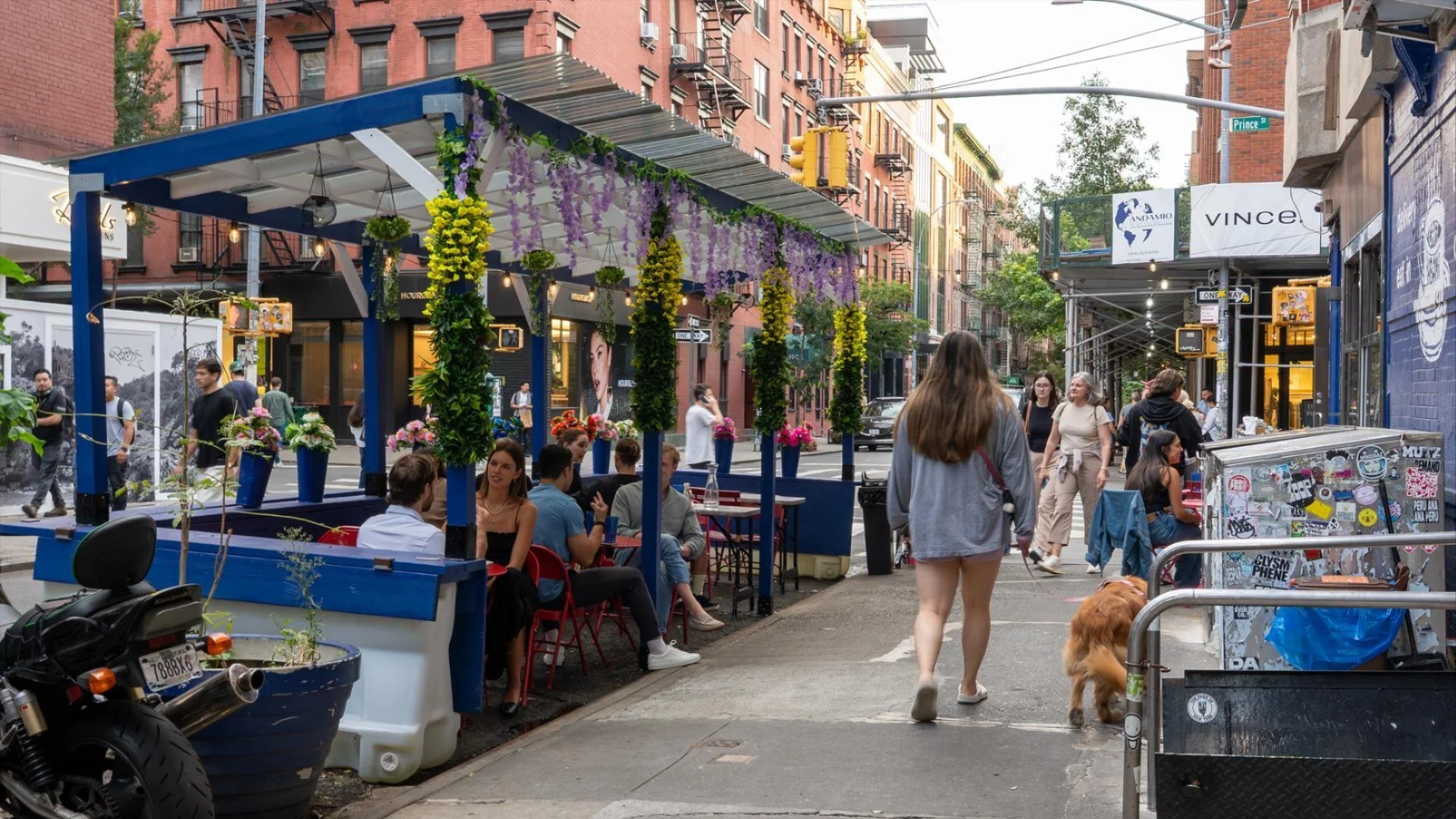
Access to outdoor dining isn't equal for everyone - let's change that!
The new outdoor dining season is here, but access isn't equal citywide. Many small businesses can't afford to participate due to burdensome applications, unclear fees, and seasonal storage costs that disproportionately impact outer borough and lower-income communities. Intro 655 supports year-round outdoor dining and streamlines the application process, making it easier for more restaurants to participate. Send a letter to your elected officials in support.
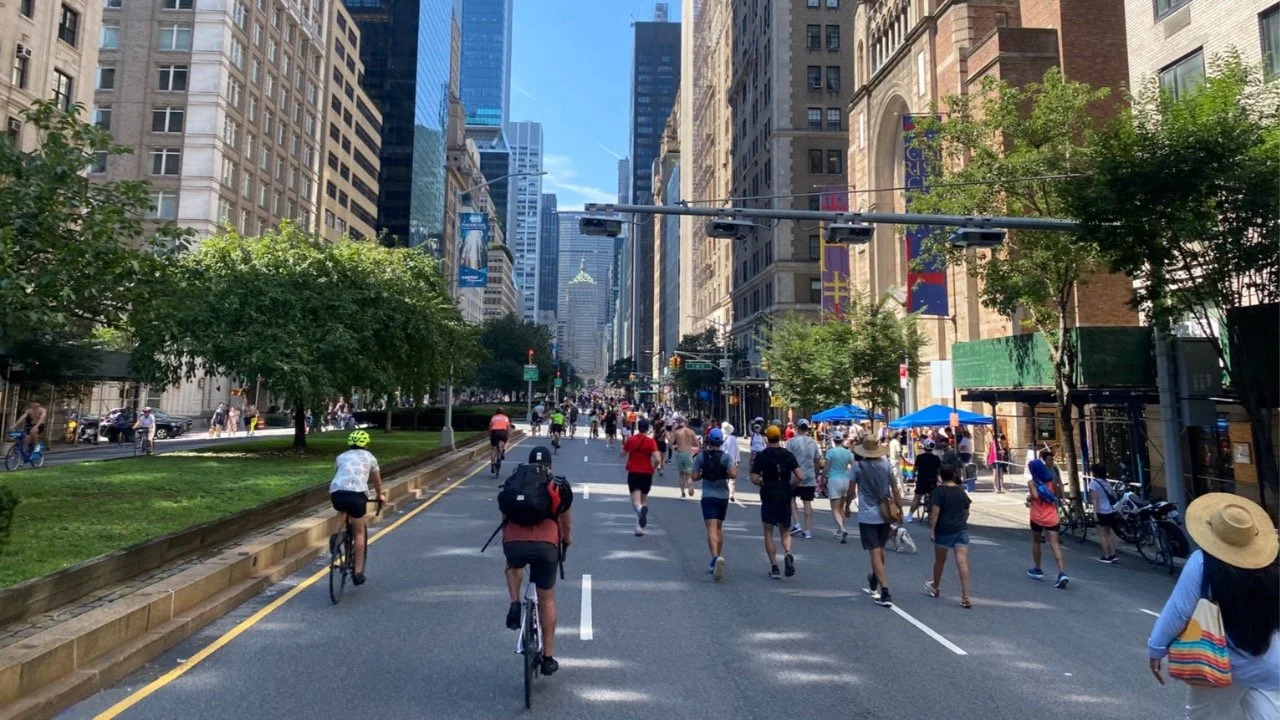
Summer is right around the corner and so are Summer Streets!
Spring is here and Summer Streets will be back before we know it—this year with support from elected officials asking DOT to expand the popular program with more dates and an interconnected web of car-free streets citywide. We want to hear from you about what makes Summer Streets great and how to improve them. Take our survey to share how you use Summer Streets and send a letter to your councilmember asking for Summer Streets programming in your neighborhood.
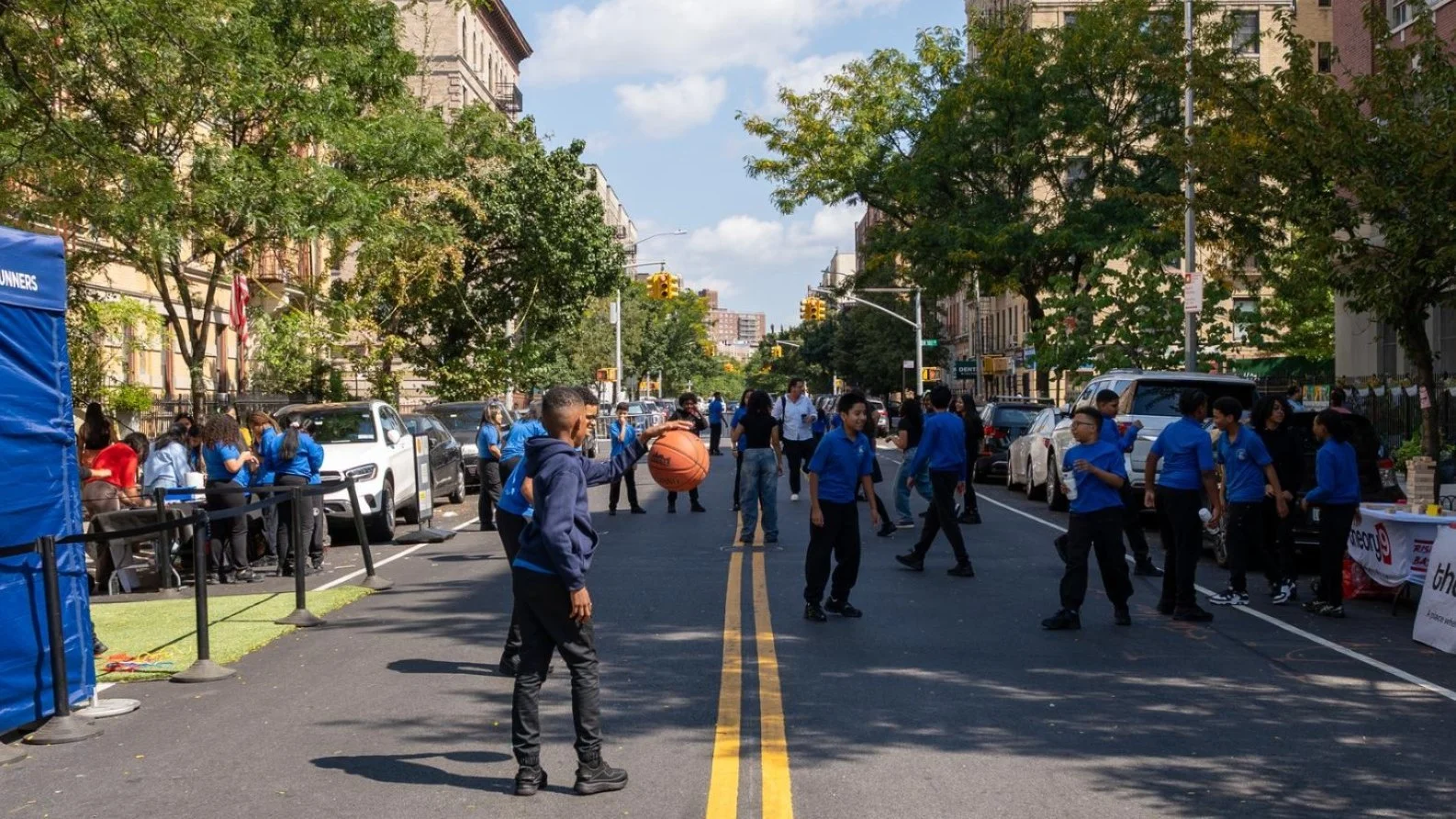
NYC's budget reflects what we care about. So let's fund School Streets for all!
School Streets close off traffic during the school day, creating calmer, safer blocks with less air pollution and more space for kids to learn and play. But the program relies on school staff to manually lift heavy barricades and navigate red tape. As Mayor Mamdani refines his first budget, dedicated School Streets funding could help the program grow equitably across the city, supporting staff and bringing safer streets to more schools.
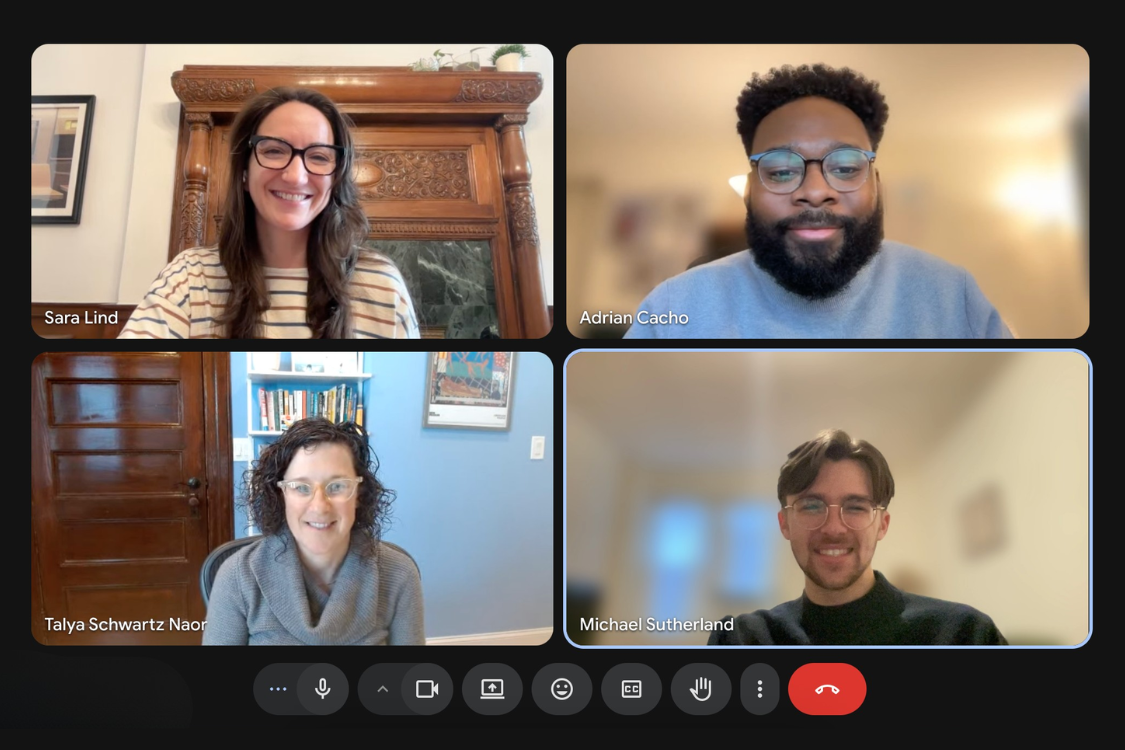
The snow cannot stop us!! ❄️ Virtual lobby day!
A blizzard kept the Open Plans team downstate, but our Albany advocacy continued virtually with meetings across a dozen legislators' offices. We discussed priorities including automated curb enforcement in New York City, a key policy that would make streets safer and more efficient for drivers, pedestrians, delivery workers, and cyclists by enforcing traffic laws at our curbs. Show your representatives you support better curbs by sending them a letter.